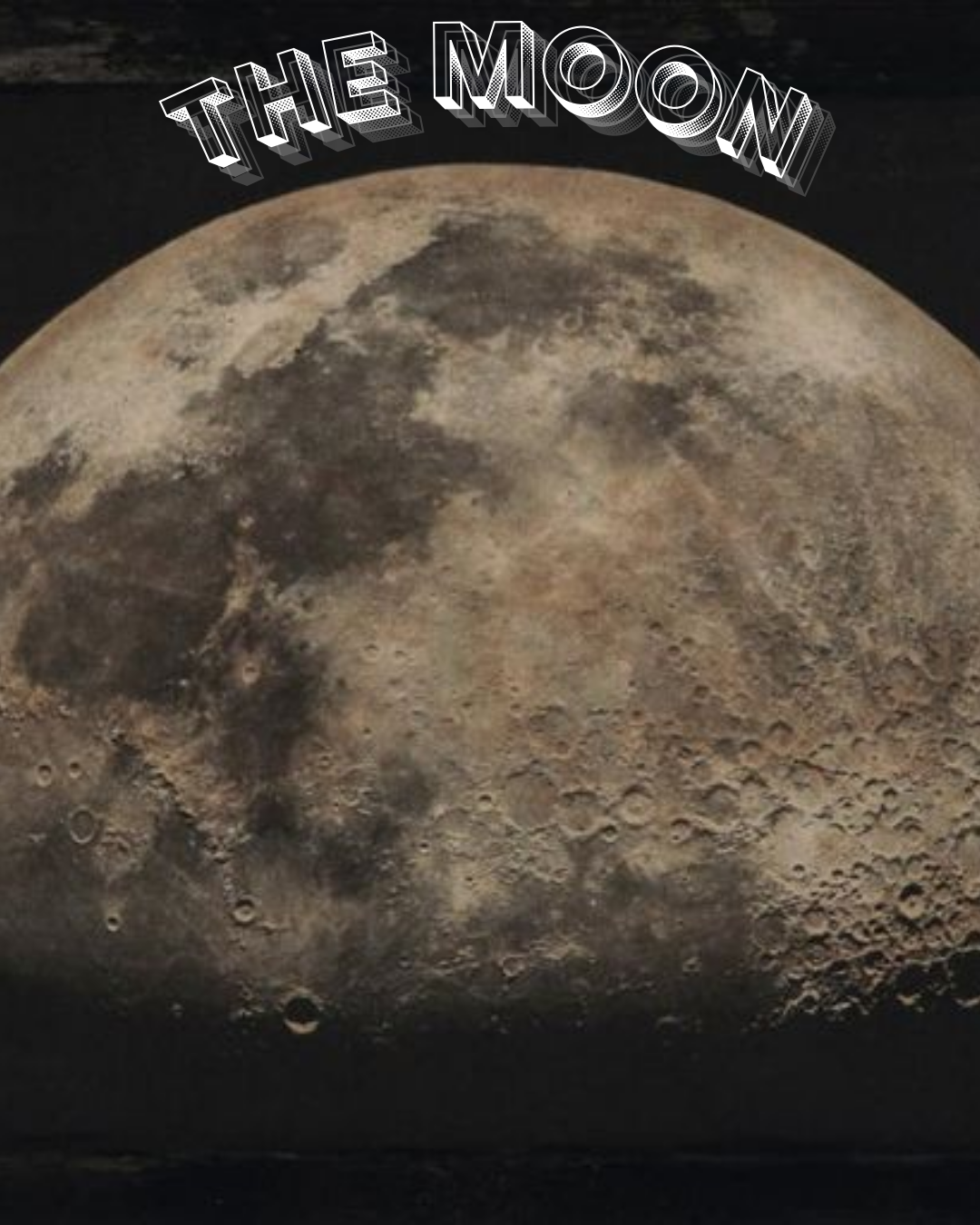
The Moon

The Moon is New
new, just like we become on this night,
ready to embark on a journey of the self
ready to be born anew, be reformed into a better you

The Moon Grows
a call to action- be bright, shine,
it serves as a reminder that change is
possible, that we are everchanging and glowing

The Moon Pauses
yet, it is not the time for us to do the same
it is time to act, to push, to strengthen yourself
grow, just as the moon does. thrive.

The Moon Waxes
it is time. almost time for change, for brightness,
for festivities. but not yet. prove yourself. finish
what you must. and then, find yourself on the side of joy.

The Moon is Full
it lights the dark, a beacon of hope and
change. transformation blooms as theĀ 
moon of dreams rises over the fields of truth

The Moon Wanes
the fading of light, to some, but in reality,
it is simply a calling, a reminder for one
to look within and reflect. be one with the person you are

The Moon is Half
it is time, one might say, to let go
the cycle is almost complete, it is about
to reset. but not yet. let your worries go. then, breathe.

The Moon Shrinks
turn inwards. think of yourself.
as we get ready to begin again, contemplate
then, take a deep breath, and let the moon grow.
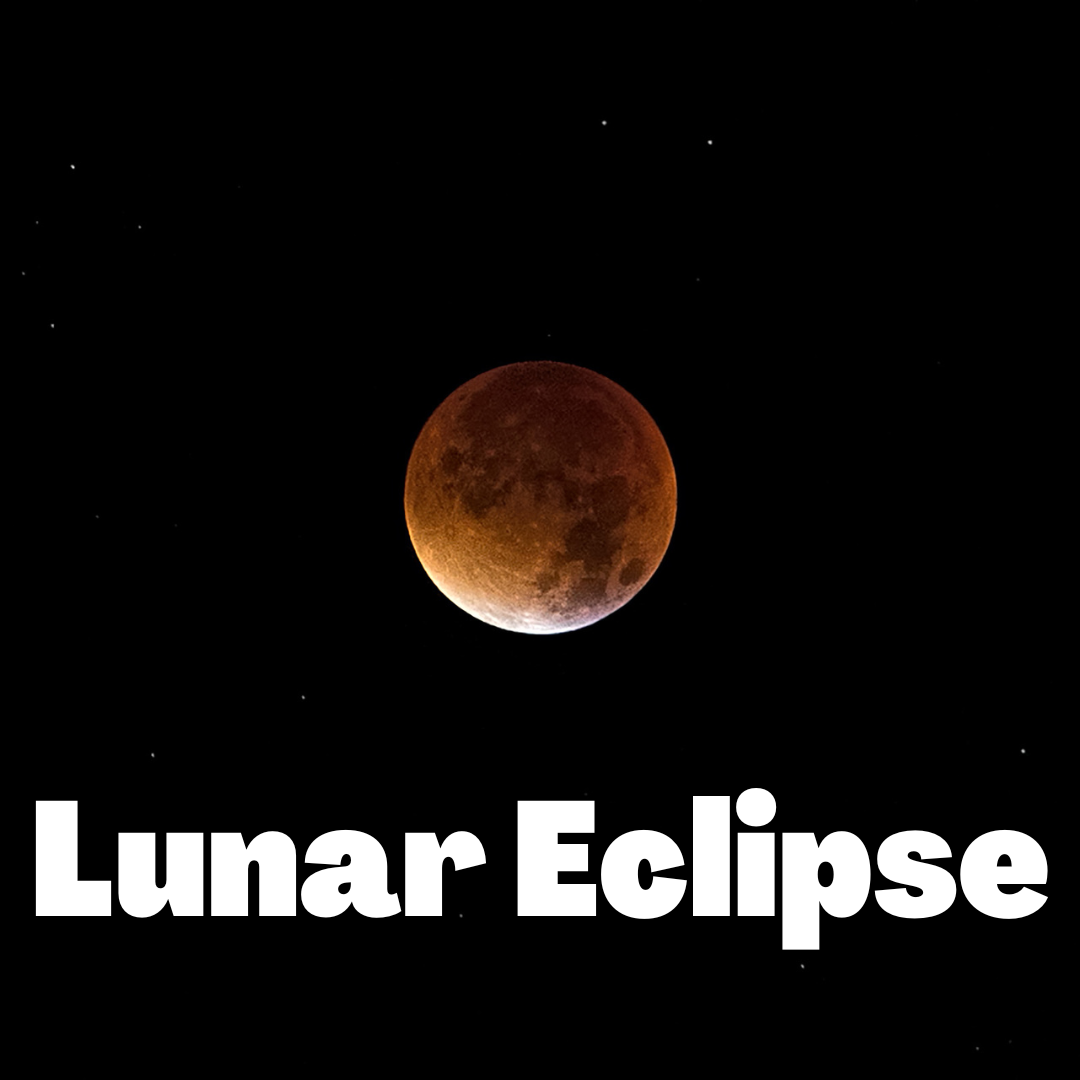
Lunar Eclipse

A lunar eclipse is when the moon moves directly into Earth’s shadow. The means that the Sun and the moon are on either side, with the Earth sandwiched in-between. The astronomical term for this occurrence is a syzygy.

When the eclipse “reaches totality” (when the moon is totally covered by the Earth’s shadow), you can see the moon become what’s known as a Blood Moon. Because of sunlight being scattered by Earth’s atmosphere, the moon doesn’t completely go dark as the sun would in a solar eclipse. Instead, based on the proximity of the Earth and the Moon, and the specific alignment of the syzygy, the Moon appears in a shade of red, orange, yellow, brown, or copper, which is where the name, Blood Moon, comes from.

A lunar eclipse usually takes a few hours to happen, going through 7 specific steps as these hours progress.


The first stage is the penumbral eclipse. This happens when the outer part of Earth’s shadow (the penumbra) starts to cover the moon. It’s not something that you can see with the naked eye.
The second stage is the partial eclipse. The main part of Earth’s shadow (the umbra) starts to cover the moon and therefore, the eclipse is more visible.
The third stage is the total eclipse. The umbra completely covers the moon, and you can see the moon as an actual Blood Moon.
The fourth stage is the maximum eclipse, or the climax of the lunar eclipse. It can last anywhere from up to a few seconds to an hour and 40 minutes.
The fifth stage is the total eclipse ending. Earth’s umbra starts to leave the moon’s surface.
The sixth stage is the partial eclipse ending. At this point, Earth’s umbra has completely left the moon’s surface.
The seventh, and last stage is the penumbral eclipse ending. Now, the eclipse ends and all of Earth’s shadow has moved away from the moon’s surface.

Have you seen any total lunar eclipses?